
Bulletin of Botanical Research ›› 2026, Vol. 46 ›› Issue (4): 728-739.doi: 10.7525/j.issn.1673-5102.2026.04.013
• Original Paper • Previous Articles Next Articles
Yaoyuan YAO1, Jie YANG1, Yuexin ZHANG1, Yujie FU1,2,3,4( )
)
Received:2026-04-26
Online:2026-07-20
Published:2026-07-22
Contact:
Yujie FU
E-mail:yujie_fu@163.com
CLC Number:
Yaoyuan YAO, Jie YANG, Yuexin ZHANG, Yujie FU. Morpho-Physiological and Metabolic Responses and Expression Profiling of the CcTCP Gene Family in Pigeon Pea under Salt Stress[J]. Bulletin of Botanical Research, 2026, 46(4): 728-739.
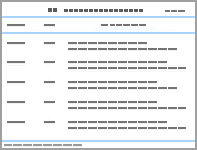
Table 1
Primers for qRT-PCR
基因名称 Gene name | 上游引物(5′→3′) Forward primer(5′→3′) | 下游引物(5′→3′) Reverse primer(5′→3′) |
|---|---|---|
| qCcActin | AAGCTCAGTCCAAGAGAGGT | ACATGGCGGGGGTATTGAAG |
| qCcPAL2 | TGAACAACGGGACCGACAGT | AAAACCTGATGAGTTCCTTCTGC |
| qCc4CL4 | GCTGACGCACAAGAGTCTGATG | CAGCAACGCCCTAATCTCAA |
| qCcC4H1 | CCTATGGTCCCGTTTTCCTACT | TGAGTGGAGGACATGTGTGGC |
| qCcCHS3 | ACGCCAGGCAGGACATAGTA | ACTTTGGTTGACCCCATTCC |
| qCcCHI2 | CCTCCGCCAAGACCTATTTC | CGAGTGATTGGATGGCTTGA |
| qCcIFS1 | AGCCCTTCGCCACCTACCTAA | GGGAATAGTGGAGAAGGGGTTT |
Fig.1
Phenotypic changes of pigeon pea seedlings under different NaCl concentrations over time
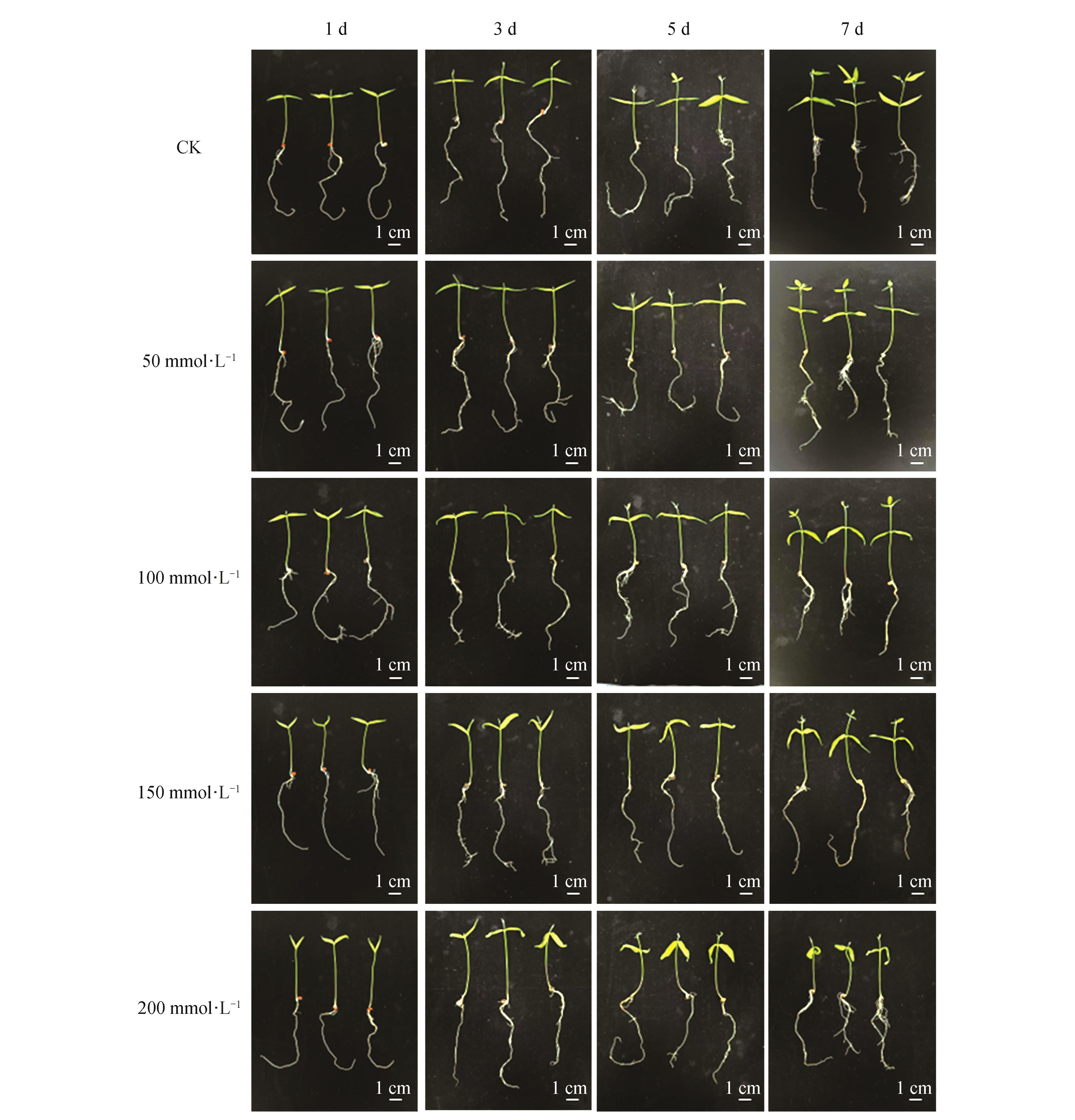
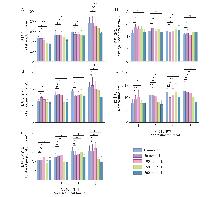
Fig.2
Change of root morphological traits of pigeon pea under salt stressStatistical significance was determined using Student’s t-test。*. P<0.05,**. P<0.01,***. P<0.001.
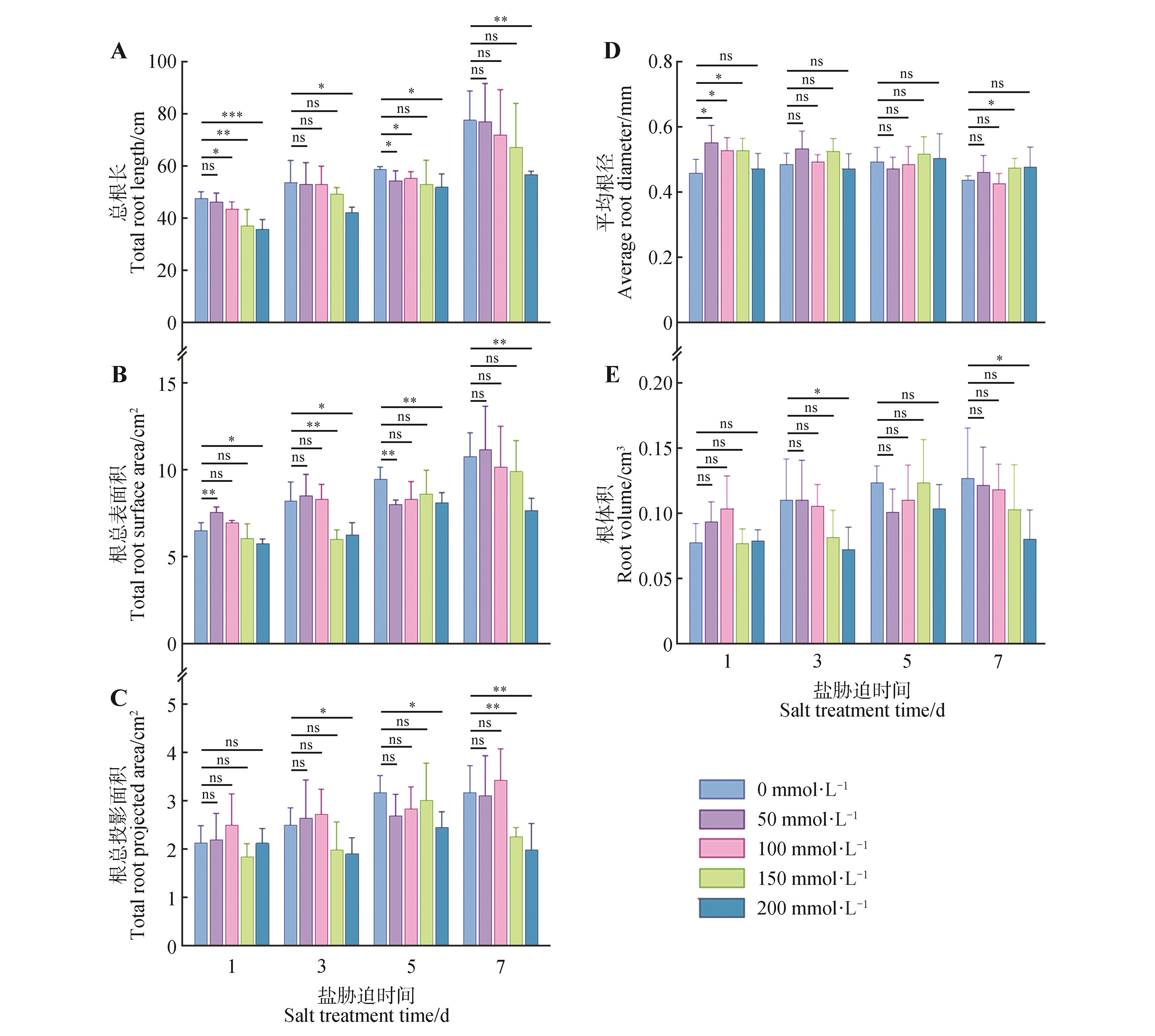
Fig.3
Physiological changes in pigeon pea seedlings under different NaCl concentrationsStatistical significance was determined using Student’s t-test. *. P<0.05,**. P<0.01,***. P<0.001。
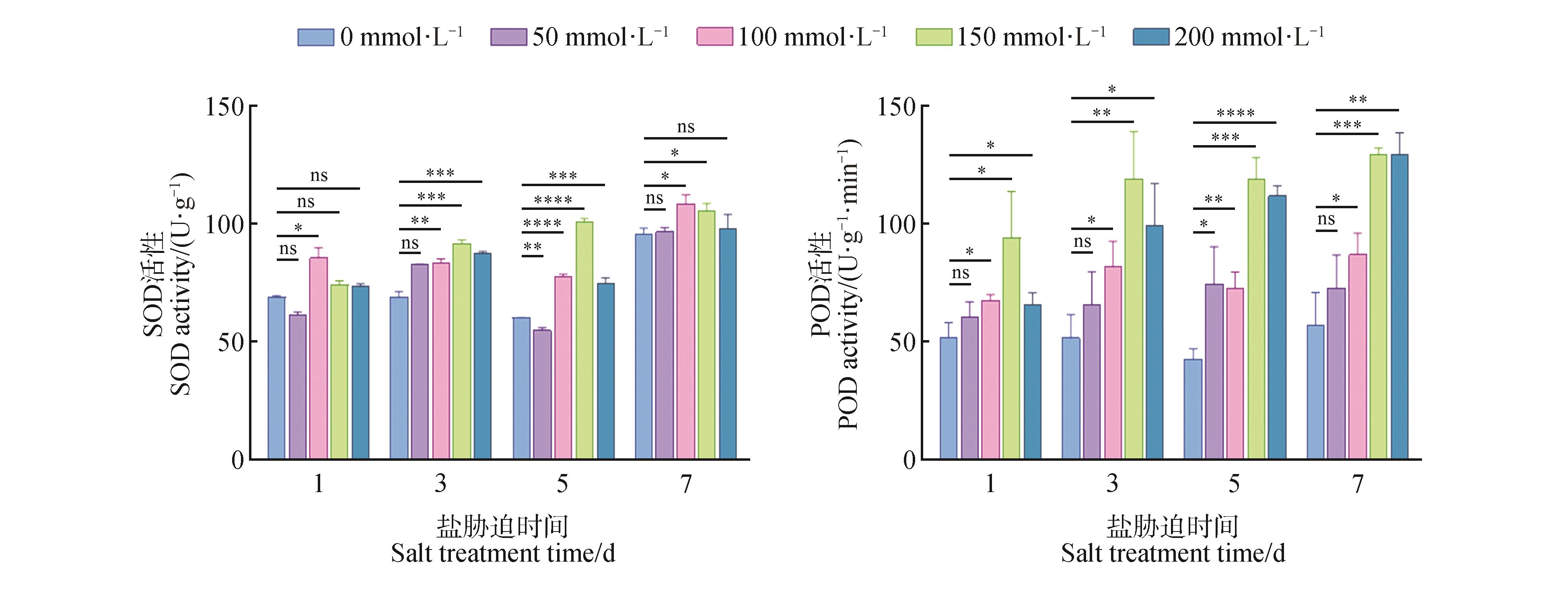
Fig.4
Changes in flavonoid accumulation in pigeon pea under 150 mmol·L-1 NaCl treatmentStatistical significance was determined using Student’s t-test. *. P<0.05,**. P<0.01,***. P<0.001,****. P<0.000 1.
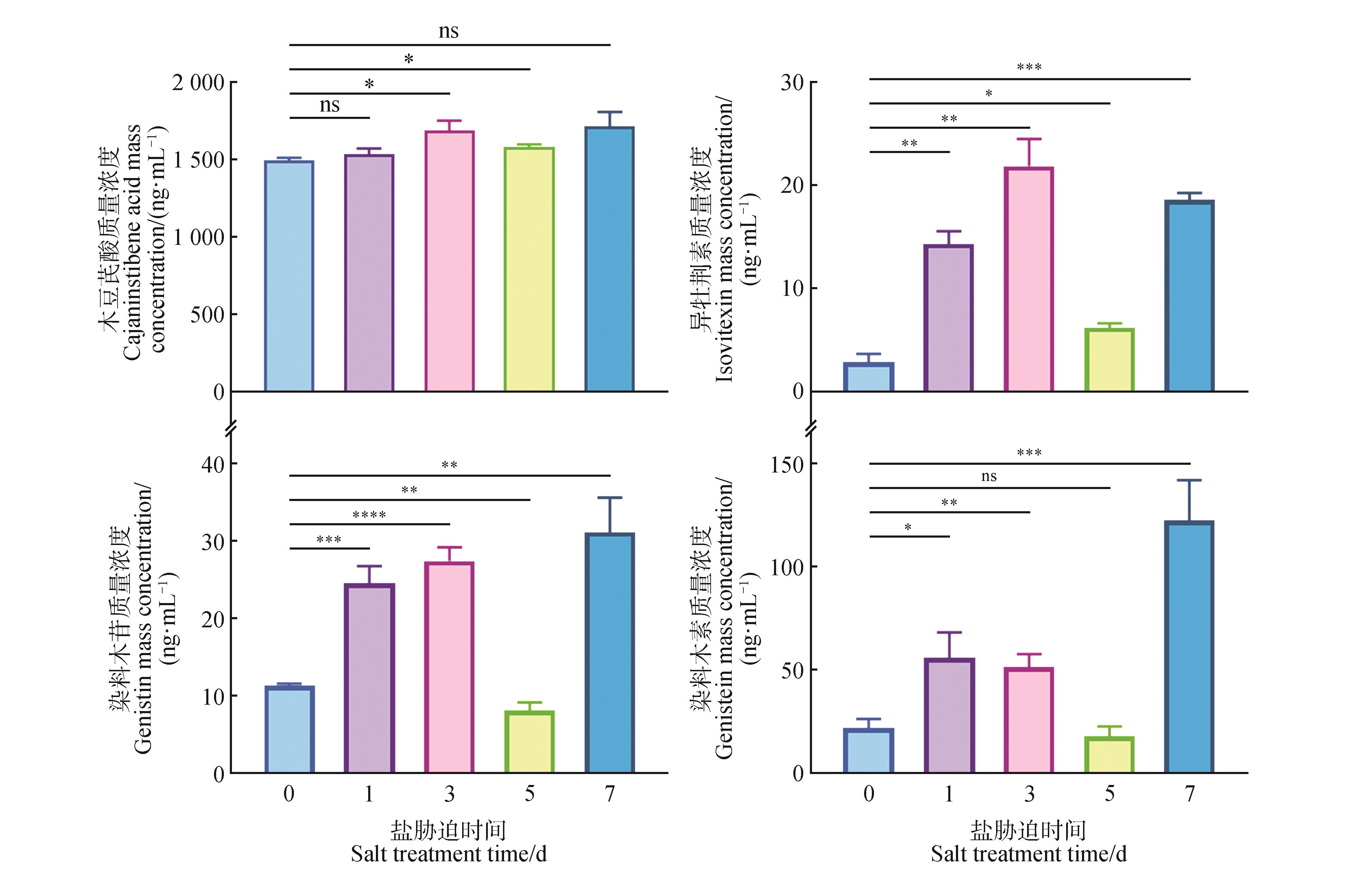
Fig.5
Correlation analysis of flavonoid metabolites content and antioxidant enzyme activity of pigeon pea
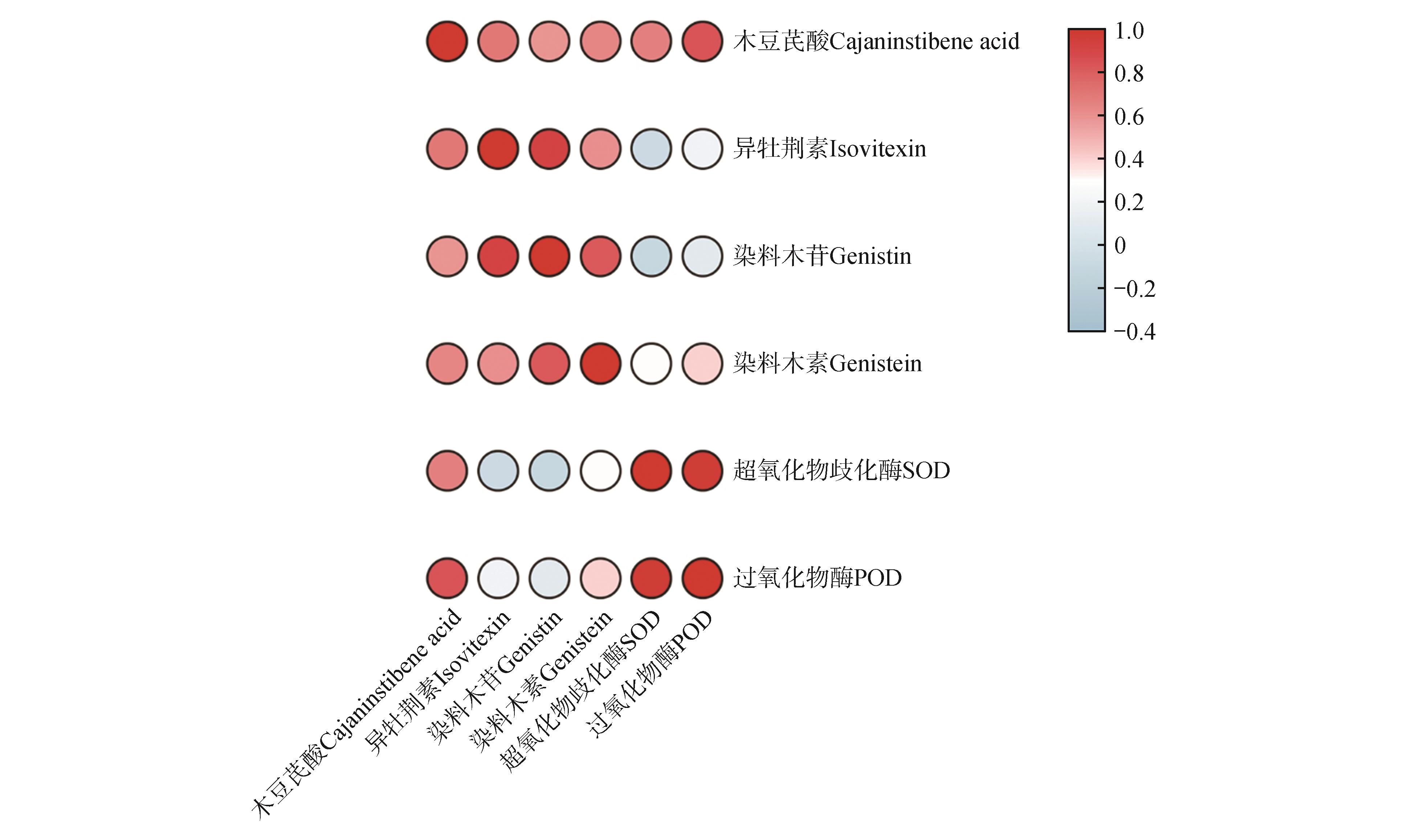
Fig.6
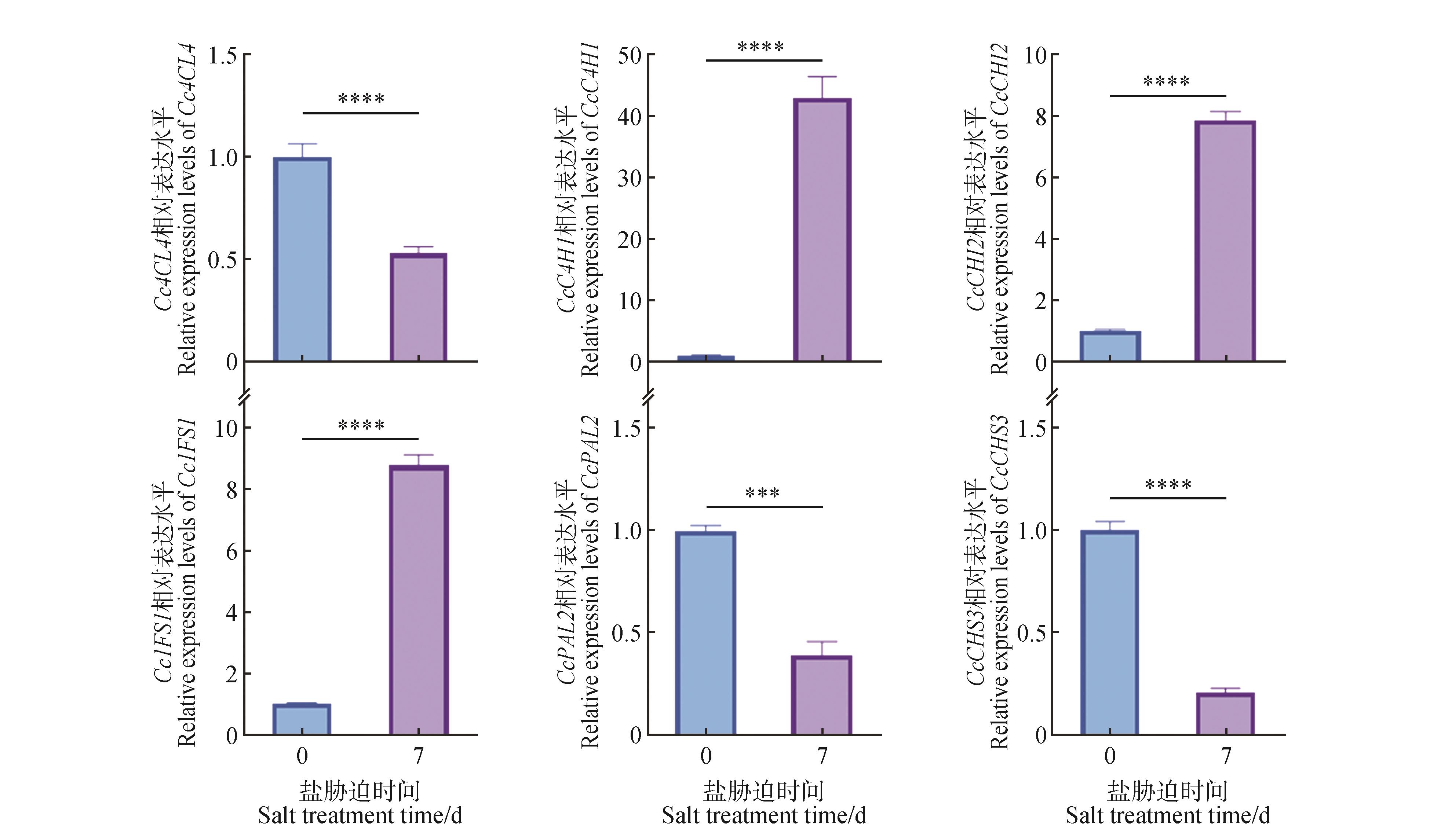
Changes in the relative expression levels of flavonoid pathway genes in pigeon pea under salt treatmentStatistical significance was determined using Student’s t-test. ***. P<0.001,****. P<0.000 1.
| [1] | Hassani A, Azapagic A, Shokri N.Global predictions of primary soil salinization under changing climate in the 21st century[J].Nature Communications,2021,12:6663. |
| [2] | Shokri N, Hassani A, Sahimi M.Multi-scale soil salinization dynamics from global to pore scale:a review[J].Reviews of Geophysics,2024,62(4):e2023RG000804. |
| [3] | Zhou H P, Shi H F, Yang Y Q,et al.Insights into plant salt stress signaling and tolerance[J].Journal of Genetics and Genomics,2024,51(1):16-34. |
| [4] | Singh D.Juggling with reactive oxygen species and antioxidant defense system:a coping mechanism under salt stress[J].Plant Stress,2022,5:100093. |
| [5] | Wang H Q, Sun J, Ren H,et al.Inhibiting reactive oxygen species production mitigates endoplasmic reticulum damage in florets of developing maize ears under heat stress[J].The Plant Journal,2025,122(5):e70243. |
| [6] | Lu X, Chen G P, Ma L,et al.Integrated transcriptome and metabolome analysis reveals antioxidant machinery in grapevine exposed to salt and alkali stress[J].Physiologia Plantarum,2023,175(3):e13950. |
| [7] | Zhang X Y, He P Y, Guo R Y,et al.Effects of salt stress on root morphology,carbon and nitrogen metabolism,and yield of Tartary buckwheat[J].Scientific Reports,2023,13:12483. |
| [8] | Zhang L, Zhang Z J, Fang S Z,et al.Integrative analysis of metabolome and transcriptome reveals molecular regulatory mechanism of flavonoid biosynthesis in Cyclocarya paliurus under salt stress[J].Industrial Crops and Products,2021,170:113823. |
| [9] | Wang C L, Wei X T, Wang Y M,et al.Metabolomics and transcriptomic analysis revealed the response mechanism of maize to saline-alkali stress[J].Plant Biotechnology Journal,2025,23(12):5397-5416. |
| [10] | Su L T, Lv A M, Wen W W,et al.MsMYB206-MsMYB450-MsHY5 complex regulates alfalfa tolerance to salt stress via regulating flavonoid biosynthesis during the day and night cycles[J].The Plant Journal,2025,121(2):e17216. |
| [11] | Zheng X Y, Zhang X J, Zeng F K.The regulatory network composed of phytohormones,transcription factors and non-coding RNAs is involved in the flavonoids biosynthesis of fruits[J].Horticultural Plant Journal,2026,12(3):497-508. |
| [12] | Liu C, Tai Y L, Luo J J,et al.Integrated multi-omics analysis provides insights into genome evolution and phosphorus deficiency adaptation in pigeonpea (Cajanus cajan)[J].Horticulture Research,2022,9:uhac107. |
| [13] | Awana M, Jain N, Samota M K,et al.Protein and gene integration analysis through proteome and transcriptome brings new insight into salt stress tolerance in pigeonpea (Cajanus cajan L.)[J].International Journal of Biological Macromolecules,2020,164:3589-3602. |
| [14] | Du T T, Fan Y X, Cao H Y,et al.Transcriptome analysis revealed key genes involved in flavonoid metabolism in response to jasmonic acid in pigeon pea (Cajanus cajan (L.) Millsp.)[J].Plant Physiology and Biochemistry,2021,168:410-422. |
| [15] | Yang W L, Li N, Fan Y X,et al.Transcriptome analysis reveals abscisic acid enhancing drought resistance by regulating genes related to flavonoid metabolism in pigeon pea[J].Environmental and Experimental Botany,2021,191:104627. |
| [16] | Meng D, Dong B Y, Niu L L,et al.The pigeon pea CcCIPK14-CcCBL1 pair positively modulates drought tolerance by enhancing flavonoid biosynthesis[J].The Plant Journal,2021,106(5):1278-1297. |
| [17] | Giannopolitis C N, Ries S K.Superoxide dismutases:Ⅰ.occurrence in higher plants[J].Plant Physiology,1977,59(2):309-314. |
| [18] | Liu C X, Gu C Y, Huang W,et al.Targeted UPLC-MS/MS high-throughput metabolomics approach to assess the purine and pyrimidine metabolism[J].Journal of Chromatography B,2019,1113:98-106. |
| [19] | Livak K J, Schmittgen T D.Analysis of relative gene expression data using real-time quantitative PCR and the 2-ΔΔCT method[J].Methods,2001,25(4):402-408. |
| [20] | Khan F, Siddiqi T O,Mahmooduzzafar,et al.Morphological changes and antioxidant defence systems in soybean genotypes as affected by salt stress[J].Journal of Plant Interactions,2009,4(4):295-306. |
| [21] | Lan J Q, Qin G J.The regulation of CIN-like TCP transcription factors[J].International Journal of Molecular Sciences,2020,21(12):4498. |
| [22] | Gill S S, Tuteja N.Reactive oxygen species and antioxidant machinery in abiotic stress tolerance in crop plants[J].Plant Physiology and Biochemistry,2010,48(12):909-930. |
| [23] | Passardi F, Penel C, Dunand C.Performing the paradoxical:how plant peroxidases modify the cell wall[J].Trends in Plant Science,2004,9(11):534-540. |
| [24] | Mittova V, Tal M, Volokita M,et al.Salt stress induces up-regulation of an efficient chloroplast antioxidant system in the salt-tolerant wild tomato species Lycopersicon pennellii but not in the cultivated species[J].Physiologia Plantarum,2002,115(3):393-400. |
| [25] | Gharsallah C, Fakhfakh H, Grubb D,et al.Effect of salt stress on ion concentration,proline content,antioxidant enzyme activities and gene expression in tomato cultivars[J].AoB Plants,2016,8:plw055. |
| [26] | Demiral T, Türkan İ.Comparative lipid peroxidation,antioxidant defense systems and proline content in roots of two rice cultivars differing in salt tolerance[J].Environmental and Experimental Botany,2005,53(3):247-257. |
| [27] | Mittler R, Zandalinas S I, Fichman Y,et al.Reactive oxygen species signalling in plant stress responses[J].Nature Reviews Molecular Cell Biology,2022,23(10):663-679. |
| [28] | Miransari M, Smith D L.Alleviating salt stress on soybean (Glycine max (L.) Merr.)-Bradyrhizobium japonicum symbiosis,using signal molecule genistein[J].European Journal of Soil Biology,2009,45(2):146-152. |
| [29] | Wang Y B, Liu W, Li W,et al.Integrative analysis of metabolome and transcriptome reveals regulatory mechanisms of flavonoid biosynthesis in soybean under salt stress[J].Frontiers in Plant Science,2024,15:1415867. |
| [1] | Yongqi HU, Rui ZHANG, Yisen ZHANG, Yuepeng SONG. PagTIP1;3 Regulates Photosynthetic Physiological Characteristics of 84K Poplar in Response to Salt Stress [J]. Bulletin of Botanical Research, 2026, 46(4): 666-676. |
| [2] | Siqi WANG, Yunjie BI, Huixian LI, Zhengbao SONG, Runke LIU, Ruixin GAO. Effect of Exogenous Gibberellin on Seed Germination of Agastache rugosa under Salt Stress [J]. Bulletin of Botanical Research, 2026, 46(3): 481-492. |
| [3] | Haiyan CAO, Kaiwen TIAN, Xiaoyu JIA, Xuefeng HAO, Zhuping JIN. The Role of AtMST1 in Regulating Salt Tolerance via H2S Synthesis in Arabidopsis Revealed by CRISPR/Cas9 Knockout [J]. Bulletin of Botanical Research, 2026, 46(2): 259-269. |
| [4] | Lipeng ZHANG, Mei WU, Hongpeng WANG, Tianyu LI. Salt Stress-related RcNAC22 Gene Cloning and Function Analysis in Rhodiolacrenulata [J]. Bulletin of Botanical Research, 2026, 46(2): 246-258. |
| [5] | Xiuying MA, Jinke LI, Xiaoyang ZHOU, Shaoliang CHEN. Research Progress of Ca2+-ATPase Involved in Regulation of Plant Salt Tolerance [J]. Bulletin of Botanical Research, 2024, 44(5): 641-654. |
| [6] | Hengfeng ZHANG, Yangwu HE, Huanchao ZHANG, Qingcui WEI. Metabolomics Analysis of Lagerstroemia indica in Response to Salt and Alkali Stress [J]. Bulletin of Botanical Research, 2024, 44(3): 420-430. |
| [7] | Fazhi FANG, Huiying GUI, Zhaojia LI, Xiaofeng ZHANG. Physiological Adaptation of Six Mangrove Seedlings to Different Salinity [J]. Bulletin of Botanical Research, 2023, 43(6): 881-889. |
| [8] | Lei XU, Xiao XU, Qinsong LIU. Effects of Exogenous Salicylic Acid on Antioxidant System and Gene Expression of Davidia involucrata Seedlings under Salt Stress [J]. Bulletin of Botanical Research, 2023, 43(4): 572-581. |
| [9] | Senyao LIU, Fenglin JIA, Qing GUO, Gaofeng FAN, Boru ZHOU, Tingbo JIANG. Response Analysis of Transcription Factor PsnbHLH162 Gene in Populus simonii × P. nigra under Salt Stress and Low Temperature Stress [J]. Bulletin of Botanical Research, 2023, 43(2): 300-310. |
| [10] | Shixian LIAO, Yuting WANG, Liben DONG, Yongmei GU, Fenglin JIA, Tingbo JIANG, Boru ZHOU. Function Analysis of the Transcription Factor PsnbZIP1 of Populus simonii×P. nigra in Response to Salt Stress [J]. Bulletin of Botanical Research, 2023, 43(2): 288-299. |
| [11] | Li LI, Xin WANG, Yuejing ZHANG, Lingyun JIA, Hailong PANG, Hanqing FENG. Effects of Abiotic Stresses on the Intracellular and Extracellular ATP Levels of Tobacco Suspension Cells [J]. Bulletin of Botanical Research, 2023, 43(2): 179-185. |
| [12] | Liran YUE, Yingjie LIU, Chenxu LIU, Yunwei ZHOU. Cloning and Functional Analysis of miR398a from Chrysanthemum× grandiflora in Response to Salt Stress [J]. Bulletin of Botanical Research, 2022, 42(6): 986-996. |
| [13] | Denggao LI, Rui LIN, Qinghui MU, Na ZHOU, Yanru ZHANG, Wei BAI. Cloning and Functional Analysis of StNPR4 gene in Solanum tuberosum [J]. Bulletin of Botanical Research, 2022, 42(5): 821-829. |
| [14] | Jiaorao CHEN, Xu XU, Zhangli HU, Shuang YANG. Recent Advances on Salt Stress Sensitivity and Related Calcium Signals in Plants [J]. Bulletin of Botanical Research, 2022, 42(4): 713-720. |
| [15] | He CHENG, Shuanghui TIAN, Yang ZHANG, Cong LIU, De’an XIA, Zhigang WEI. Genome-wide Identification and Expression Analysis of nsLTP Gene Family in Populus trichocarpa [J]. Bulletin of Botanical Research, 2022, 42(3): 412-423. |
| Viewed | ||||||
|
Full text |
|
|||||
|
Abstract |
|
|||||
